
The 2026 MLA baseline
The MLA heading is the first thing a reader sees. It identifies your work and shows you follow academic standards. Currently, the heading has four left-aligned lines: your name, the instructor's name, the course name and number, and the date.
However, academic standards aren’t static. The MLA is releasing updates that will take full effect in 2026. These aren't dramatic changes, thankfully. Think of it as a refinement of existing guidelines, aiming for greater clarity and conciseness. We’ll break down the current requirements and then focus on the specific adjustments coming in 2026, giving you plenty of time to prepare.
It's important to understand that the core purpose of the MLA heading remains unchanged: to provide essential identifying information. The updates primarily address subtle formatting details, like spacing, rather than fundamental elements. This means the information included in the heading will largely stay the same, but how that information is presented will evolve slightly.
Student and instructor names
Start with your full name as it appears on university records. The second line is for your instructor. Skip titles like 'Dr.' or 'Professor' and list their last name followed by their first name.
For example, instead of “Dr. Emily Carter,” you would write “Carter, Emily.” This is a consistent rule throughout MLA formatting. What happens if you have multiple instructors? List them in the order their contributions were most significant to the assignment. Separate their names with commas. So, “Carter, Emily, Davis, John” would indicate Emily Carter was the primary instructor, and John Davis offered supporting guidance.
I’ve seen a lot of students struggle with this seemingly simple part, often defaulting to including titles. It's a common mistake, but easily avoided. Remember, clarity and conciseness are key. The MLA style prioritizes a clean, professional presentation, and omitting titles contributes to that aesthetic. Double-check this formatting—it’s a quick win for a good impression.
Course Name & Number Precision
The third line of your MLA heading requires the course name and number. This is where using the official course designation is critical. Don't rely on your memory or a shortened version. Refer to your syllabus or the course catalog for the exact wording and number. For example, “English 101: Composition I” is much preferred over “Intro to English.”
Long course names can be a bit cumbersome. While you should aim for the complete official name, reasonable abbreviations are acceptable if space is a concern. However, avoid abbreviations that are ambiguous or unclear. If you’re unsure, it’s always better to err on the side of including the full name. Consistency is also important; once you’ve chosen an abbreviation, use it consistently throughout all your work for that course.
I often see students using different variations of the course name across assignments, which looks sloppy. This might seem like a small detail, but it demonstrates attention to detail—or a lack thereof—to your instructor. Pay attention to capitalization as well; follow the style used in the syllabus or course catalog. A little diligence here can make a noticeable difference.
Date Formats: Beyond Month/Day/Year
The standard date format in MLA is month/day/year (e.g., 15 March 2026). However, the MLA Handbook allows for some flexibility. Acceptable alternatives include writing out the month in full (e.g., 15 March 2026) or using the day/month/year format (e.g., 15/3/2026) – though the latter is less common in the US.
The key is consistency. Whichever format you choose, stick with it throughout your entire paper. Regarding numerals versus spelling out the month, the MLA recommends spelling out the month when it appears without a specific day. For example, “March 2026” is preferred over “3/2026.” When the day is included, using numerals is perfectly acceptable.
Check your syllabus to see if your instructor prefers a specific regional format. Otherwise, pick one style and use it throughout the paper.
- 15 March 2026 (Month/Day/Year)
- Day/Month/Year (e.g., 15/3/2026)
- Spelled out month with year (e.g., March 2026)
New spacing rules for 2026
Now, let’s get to the specific updates coming in 2026. The most significant change relates to the spacing between the heading and the essay title. Previously, MLA required double-spacing between the heading and the title. The 2026 updates remove this requirement. This means you will now single-space between the last line of your heading and your essay title.
The rationale behind this change is to streamline the formatting and create a more visually cohesive document. The MLA Style Center has indicated that this adjustment aligns with contemporary design principles and simplifies the overall aesthetic. While seemingly minor, this change reflects a broader trend towards greater conciseness in academic formatting.
This is the main update to be aware of. Other formatting elements, such as font size and margins, remain unchanged. The change in spacing is intended to be a subtle refinement, making the overall presentation cleaner and more modern. It's a good idea to update your templates now to reflect this new standard.
Don’t underestimate the impact of small changes like this. They contribute to a more polished and professional look, signaling to your instructor that you've paid attention to detail. It’s a relatively easy adjustment to make, and it can elevate the overall quality of your work.
Header Considerations: Page Numbers & Last Name
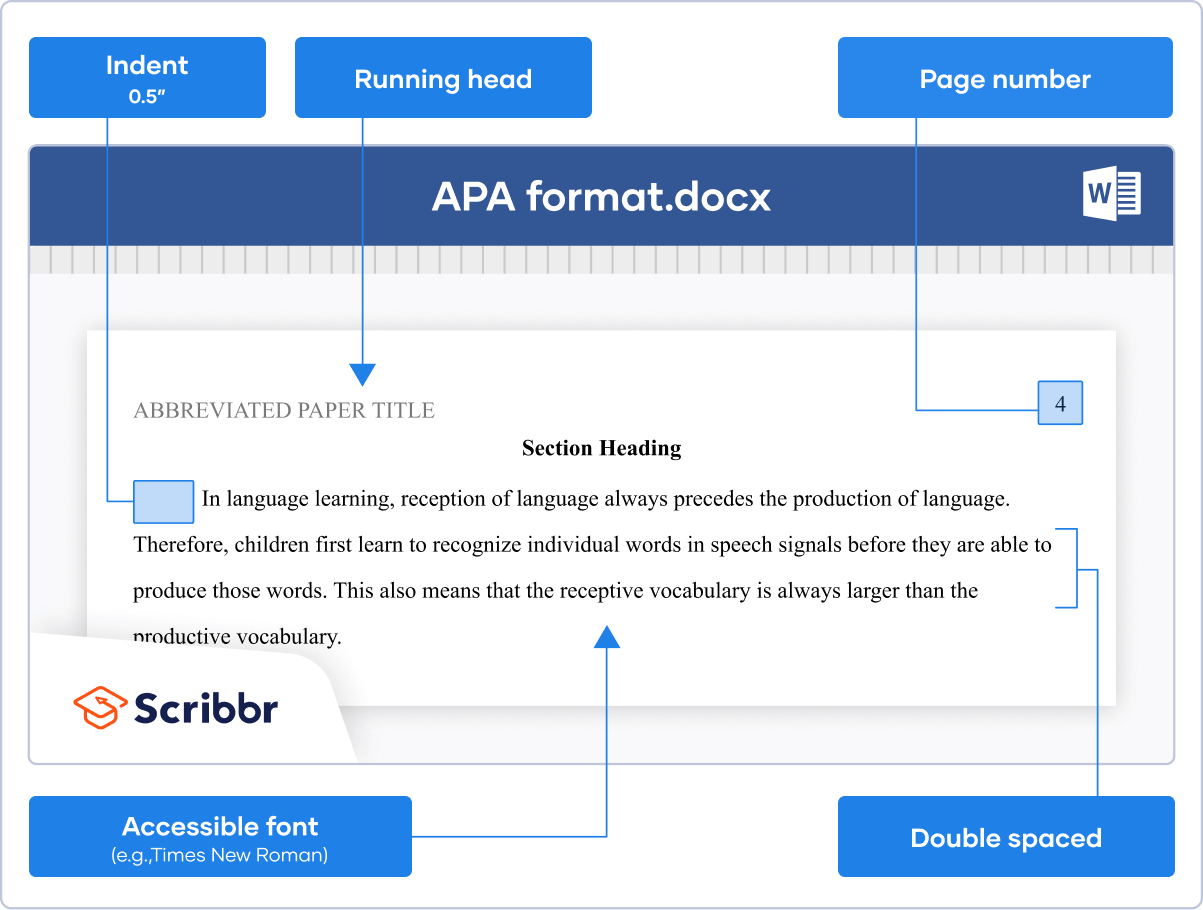
The header is located in the upper right-hand corner of every page. It’s a consistent requirement of MLA formatting and includes your last name and the page number. For example, if your last name is Smith and you’re on page 3, the header would read “Smith 3.”
Setting up this header is relatively straightforward in most word processors. In Microsoft Word, you can double-click in the header area to activate it, then insert the page number and your last name. In Google Docs, you can go to “Insert” > “Page numbers” and choose the desired format, then manually add your last name before the page number.
Make sure the header appears on every page, including the first page. It’s a common mistake to forget this, but it’s a crucial element of MLA formatting. A correctly formatted header demonstrates your understanding of academic conventions and attention to detail.
Handling Complex Situations
What about group projects? When submitting work with multiple authors, list each student’s name on separate lines in the heading, followed by the other heading elements (instructor, course, date). The order of names should reflect the level of contribution to the project. For online courses, include the instructor’s email address or preferred method of contact if it’s not readily available elsewhere.
Sometimes, learning management systems (LMS) like Canvas or Blackboard have specific requirements for submitting assignments. These requirements might override the standard MLA heading guidelines. Always prioritize the instructions provided by your instructor or the LMS. If there’s a conflict, clarify with your instructor which format to use.
I think it’s good to anticipate these edge cases. Showing you’ve considered these situations demonstrates a proactive approach to academic work. It’s always better to be prepared and ask questions if you’re unsure about the correct formatting.

No comments yet. Be the first to share your thoughts!