

APA 2026: a first look
The American Psychological Association (APA) plans to update its style guide in 2026. These revisions happen every few years to keep up with how we communicate research. I expect the new rules to focus heavily on digital accessibility and inclusive language, following the path set by the 7th edition.
Historically, APA updates haven't been revolutionary overhauls, but rather refinements to existing rules. The 7th edition, released in 2020, already represented a significant streamlining of previous versions, aiming for greater simplicity and ease of use. The 2026 update is likely to continue this trend, building upon the foundation laid by the 7th edition. We can expect to see further clarification of ambiguous rules and adaptations to address emerging challenges in scholarly communication.
Predicting these updates involves some guesswork, but we can look at current academic debates to see where the APA is heading. Here is what I expect to change for title pages and reference lists.
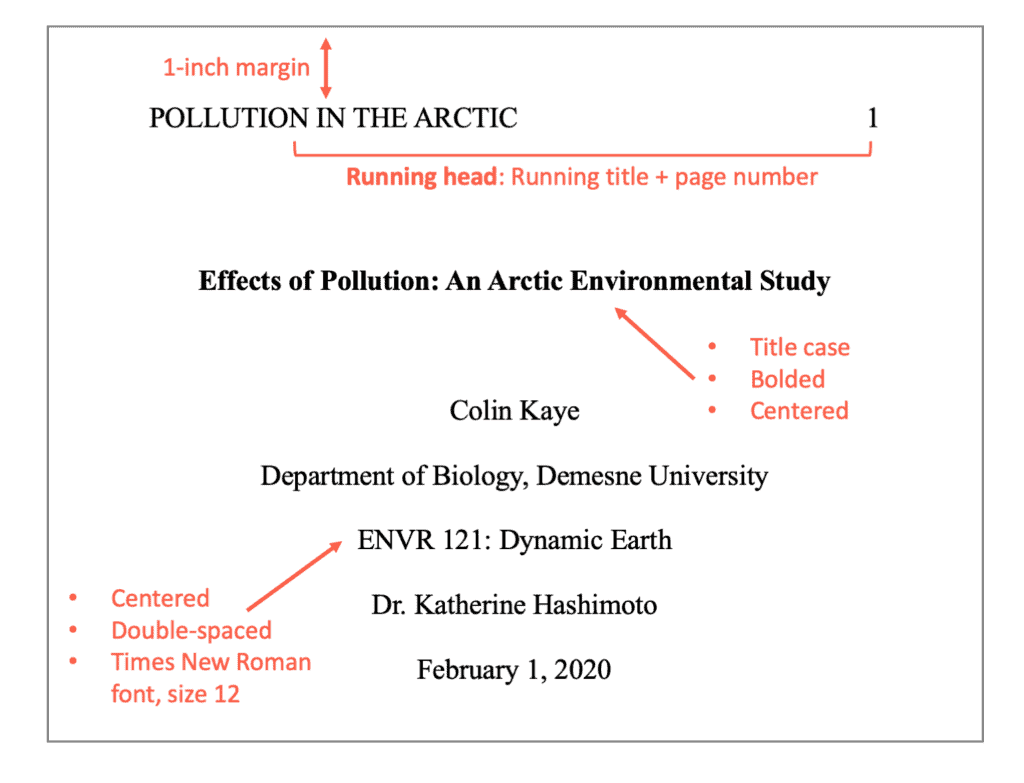
Title page updates
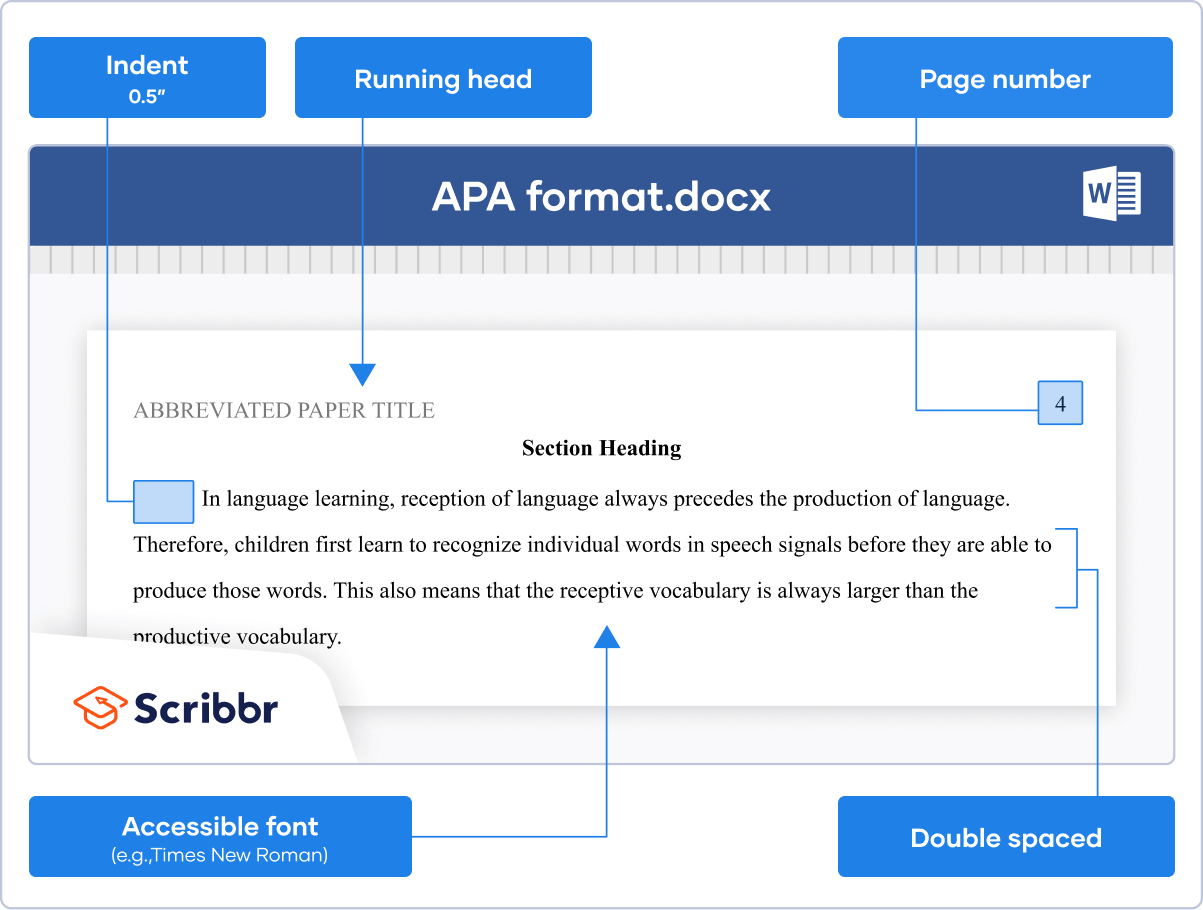
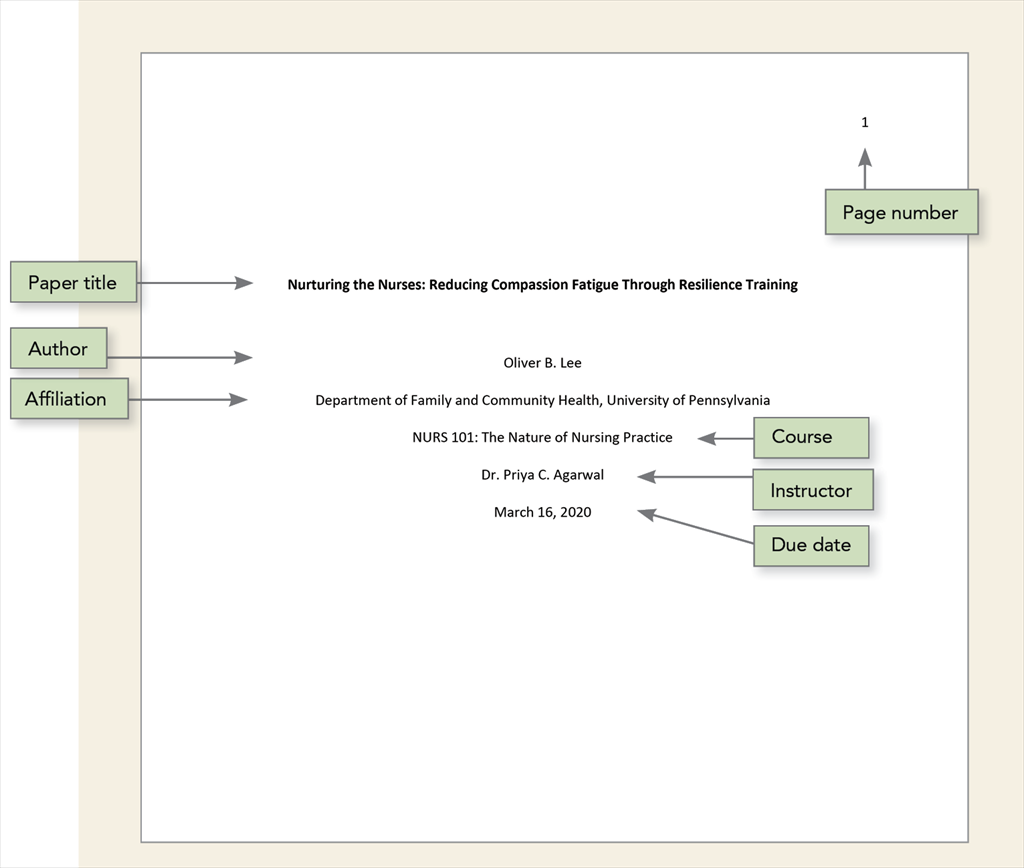
The APA title page has seen considerable simplification in recent editions, and the 2026 update will likely continue this trajectory. The distinction between student and professional papers remains, but the required elements are becoming increasingly standardized. For both types, you’ll still need to include the title of your paper, your name, and your institutional affiliation. The page number should appear in the upper right-hand corner.
One area to watch is guidance on inclusive language within the title itself. APA is increasingly emphasizing the use of respectful and accurate terminology. The 7th edition already encouraged avoiding biased language, and the 2026 update may offer even more specific recommendations. This could include avoiding terms that perpetuate stereotypes or marginalize certain groups. It's a good practice to review your title carefully to ensure it reflects inclusive principles.
Accessibility is another key consideration. While not explicitly stated, future editions will likely encourage authors to consider how their title page – and the entire document – can be made accessible to readers with disabilities. This might involve using clear, concise language and ensuring sufficient contrast between text and background colors. The focus is on making research accessible to the widest possible audience.
APA favors direct language. The 7th edition already removed the running head for student papers, and I don't see that coming back in 2026. Keep your titles short and skip the fluff.
- The title page requires a clear paper title, author names, and institutional affiliation.
- Author name(s)
- Institutional affiliation
- Page number
Headings and Section Labels
APA Style uses a hierarchical heading system to organize content and improve readability. The 7th edition introduced a simplified heading structure, and the 2026 update is unlikely to deviate significantly from this model. Typically, APA allows for up to five levels of headings, each with specific formatting requirements.
Expect the 2026 update to reinforce the importance of using headings to clearly delineate sections and subsections of your paper. Consistent use of headings helps readers navigate your work and grasp the main arguments. The formatting for each level – including bolding, italics, capitalization, and indentation – should be applied consistently throughout the document.
I suspect that future guidance will place even greater emphasis on using headings to create a logical flow of ideas. Think of headings as signposts that guide your reader through your argument. They should accurately reflect the content of each section and provide a clear sense of the overall structure of your paper. Simple and descriptive headings are always the best choice.
In-text citations
In-text citations are the cornerstone of academic integrity, and APA Style provides specific guidelines for citing sources within the body of your paper. The 2026 update may bring refinements to the rules governing single versus multiple authors. Currently, APA uses “et al.” after the first author’s name when there are three or more authors. It's possible this threshold could shift, though a major change seems unlikely.
The treatment of group authors – organizations or institutions – is another area that could see adjustments. APA currently requires spelling out the full name of the group author on the first citation, followed by an abbreviation in subsequent citations. Future guidance might offer more flexibility in this regard, particularly for well-known organizations. However, consistency remains key.
Citing secondary sources – sources cited within another source – often presents challenges. APA advises avoiding secondary sources whenever possible, but when necessary, it provides specific formatting guidelines. The 2026 update might offer further clarification on how to accurately represent secondary sources in your in-text citations. Always prioritize citing the original source directly whenever feasible.
Direct quotations require page numbers or other specific location information. The 7th edition clarified the rules for citing block quotations – quotations exceeding 40 words – and these rules are likely to remain largely unchanged. Remember to always accurately represent the author’s words and to use quotation marks appropriately. Plagiarism is a serious academic offense, and accurate citation is essential to avoid it.
One area that could see change is the handling of digital sources without page numbers. APA currently recommends using paragraph numbers or section headings when page numbers are unavailable. The 2026 update might offer alternative guidance for these situations, particularly as more and more content is published online without traditional pagination.
- Single vs. multiple authors
- Group authors
- Secondary sources
- Direct quotations
Reference List: New Rules
The reference list is a comprehensive list of all the sources cited in your paper. It's arguably the most complex part of APA Style, and the 2026 update is likely to bring several changes to formatting requirements. Digital Object Identifiers (DOIs) and URLs remain crucial for identifying and locating sources, and the rules governing their presentation are likely to be refined.
Currently, APA recommends including the DOI whenever available, and formatting it as a URL (e.g., ). The 2026 update could further standardize this practice or introduce new guidelines for handling broken or inactive DOIs. It’s important to ensure that all DOIs and URLs are accurate and functional.
Capitalization rules in the reference list have been a source of confusion in the past. APA Style generally uses sentence case for titles of books and articles, but there are exceptions. The 2026 update might offer further clarification on these rules, aiming to reduce ambiguity and promote consistency. Pay close attention to the specific guidelines for different source types.
The order of elements in the reference list – author, date, title, source – is also subject to change. While major shifts are unlikely, the 2026 update could introduce minor adjustments to improve clarity and readability. Always consult the latest APA Style guide to ensure that your reference list is formatted correctly.
Citing specific source types, like social media posts or online videos, often requires special attention. APA has provided guidance on these sources in the 7th edition, and the 2026 update may offer more detailed instructions. The rapid evolution of online platforms means that APA must continually adapt its guidelines to address new source types.
- DOI and URL formatting
- Capitalization rules
- Order of elements
- Social media and online video citations
APA 7th Edition vs. Anticipated 2026 Format: Reference List Examples
| Source Type | APA 7th Edition Format | Anticipated APA 2026 Changes | Notes |
|---|---|---|---|
| Journal Article | Author, A. A., Author, B. B., & Author, C. C. (Year). Title of article. *Title of Journal*, *Volume*(Issue), Page numbers. https://doi.org/xxxx | While core elements remain consistent, the 2026 edition is expected to further emphasize the use of unique and persistent identifiers (like DOIs) where available, potentially requiring them even if page numbers are present. | Emphasis on DOIs is a developing trend in APA style. |
| Book | Author, A. A. (Year). *Title of book*. Publisher. | The 2026 edition may standardize the inclusion of book formats (e.g., ebook, hardcover) within the reference. Current guidance allows this but doesn’t require it. | Consistency in format reporting is a goal of the upcoming revision. |
| Website | Author, A. A. (Year, Month Day). *Title of page*. Website Name. URL | The 2026 edition is anticipated to provide more specific guidance on citing content from websites with no clear author, potentially recommending organizational authorship where appropriate. | Addressing the challenges of authorless web content is a focus. |
| Website - No Author | Website Name. (Year, Month Day). *Title of page*. URL | The 2026 edition will likely further clarify how to handle websites lacking both author and date, potentially prioritizing the website name as the primary element. | Guidance on handling incomplete information is expected to be expanded. |
| Edited Book Chapter | Author, A. A., & Author, B. B. (Year). Title of chapter. In A. Editor, B. Editor, & C. Editor (Eds.), *Title of book* (pp. xxx–xxx). Publisher. | Potential clarification regarding the use of 'Eds.' versus 'Ed.' depending on the number of editors. The 2026 edition may also standardize the placement of page numbers. | Streamlining editor notation is under consideration. |
| Report | Author, A. A. (Year). *Title of report* (Report No. xxx). Issuing Agency. URL | The 2026 edition is expected to provide more detailed guidance on citing different types of reports (e.g., government reports, technical reports), potentially adding specific elements for clarity. | Different report types require nuanced citation approaches. |
Illustrative comparison based on the article research brief. Verify current pricing, limits, and product details in the official docs before relying on it.
Bias-Free Language: Expanded Guidance
APA Style places a strong emphasis on using bias-free language, and the 2026 update is expected to further expand this guidance. This includes avoiding language that perpetuates stereotypes, marginalizes certain groups, or reflects prejudicial attitudes. The goal is to promote inclusivity and respect in academic writing.
Person-first language – focusing on the individual rather than the condition (e.g., “person with disability” instead of “disabled person”) – is a key principle of bias-free language. The 2026 update may offer more specific recommendations on when and how to use person-first language, as well as guidance on alternative phrasing.
Avoiding gendered language is another important consideration. APA encourages using gender-neutral terms whenever possible (e.g., “chairperson” instead of “chairman”). The 2026 update could provide additional examples and guidance on navigating gendered language in academic writing. It’s also crucial to use correct pronouns when referring to individuals.
I anticipate the 2026 update will emphasize the importance of being mindful of cultural and linguistic diversity. This includes avoiding language that is culturally insensitive or that assumes a particular worldview. Always strive to use respectful and accurate terminology when discussing different cultures and communities.
Formatting Specifics: Tables and Figures
Tables and figures are valuable tools for presenting data and illustrating concepts in your paper. APA Style provides specific guidelines for formatting these elements, and the 2026 update may bring refinements to these rules. Table numbering, captions, and the use of color are all important considerations.
Tables should be numbered consecutively (e.g., Table 1, Table 2) and include a clear and concise title. Captions should provide a brief description of the table’s contents. The 7th edition clarified the formatting requirements for table notes, and these rules are likely to remain largely unchanged. Always ensure that your tables are easy to read and understand.
Figures – including charts, graphs, and images – also require numbering and captions. APA Style provides guidance on selecting appropriate figure types and formatting them effectively. The 2026 update might offer additional recommendations on using color to enhance clarity and avoid visual clutter. Simplicity and clarity are key.
Accessibility is an increasingly important consideration for tables and figures. The 2026 update could introduce new requirements for making these elements accessible to readers with disabilities. This might involve providing alternative text descriptions for figures and ensuring that tables are structured in a way that can be easily read by screen readers.
Helpful APA Resources
- APA Style Website - The official source for all things APA Style, including the 7th edition Publication Manual and frequently updated guidance.
- Purdue OWL (Online Writing Lab) - Offers comprehensive, free resources on APA 7th edition formatting and writing, including sample papers and citation examples.
- EasyBib - A citation generator that supports APA 7th edition, allowing users to create citations and bibliographies. Note: Accuracy should always be verified against the official APA Style guide.
- Zotero - A free, open-source reference management software that can automatically generate APA 7th edition citations and bibliographies. It integrates with word processors.
- Mendeley - A reference manager owned by Elsevier, offering citation generation in APA 7th edition and collaboration features. Some features require a subscription.
- Microsoft Word - Includes built-in citation tools that can be set to APA 7th edition style. While convenient, double-check the output for accuracy.
- Citation Machine - A citation generator supporting APA 7th edition, providing tools for creating citations and bibliographies. User verification is recommended.
No comments yet. Be the first to share your thoughts!