

The 2026 synthesis essay
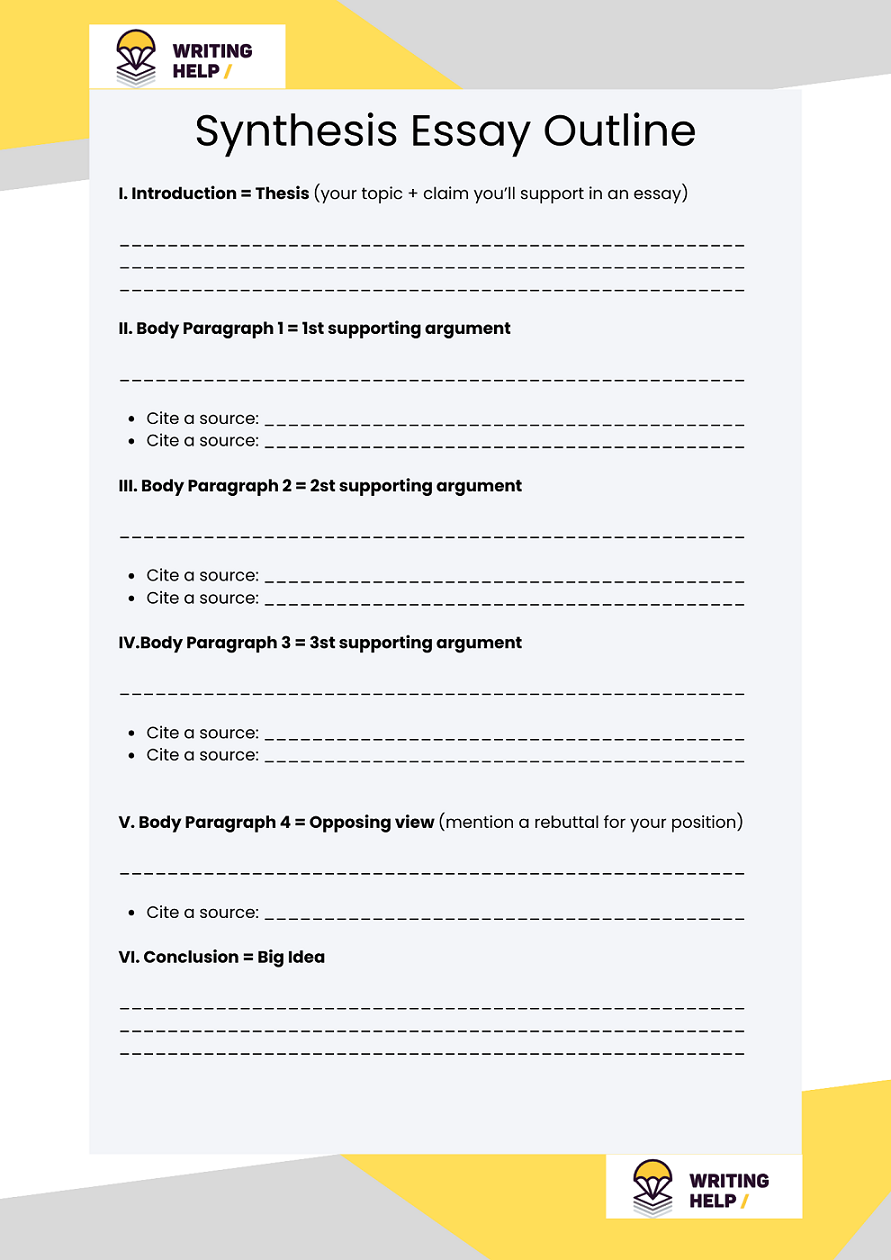
The synthesis essay is undergoing a significant evolution. For years, students have approached these assignments as exercises in summarizing and compiling information from various sources. But the expectations are shifting, and rapidly. The changes coming in 2026 aren’t simply about tweaking formatting; they reflect a deeper emphasis on critical thinking and information literacy.
We live in an age of readily available – and often unreliable – information. The ability to not just find sources, but to critically evaluate, synthesize, and construct original arguments from them is more important than ever. This means moving beyond a simple restatement of what others have said, and instead actively engaging in a conversation between sources.
This isn’t just an academic exercise. These skills are essential for navigating the complexities of the modern world. The 2026 standards recognize this, demanding a more sophisticated approach to research and argumentation. It’s about building something new from existing ideas, not just reporting on what’s already known. A strong synthesis essay demonstrates intellectual independence and a command of the subject matter.
Turning summaries into conversations
The most fundamental shift in the 2026 synthesis essay is how we interact with sources. Forget the idea of simply 'summarizing' each one in turn. That approach is becoming obsolete. The new standard demands a conversational approach, where you actively identify points of agreement, disagreement, and complexity between sources.
Think of it like being a mediator in a debate. You need to understand each participant’s position, their underlying assumptions, and their biases. Identifying these nuances is key. Look for where sources corroborate each other, where they diverge, and why they diverge. What assumptions are driving their arguments? What evidence are they prioritizing?
Synthesis isn’t about finding sources that confirm your pre-existing beliefs. In fact, the most compelling synthesis essays often emerge from grappling with conflicting perspectives. It’s about understanding why sources disagree, and then using that understanding to build a more nuanced and informed argument. This requires a willingness to challenge your own assumptions and consider alternative viewpoints. This is where the real intellectual work happens.
- Identify where sources say the same thing.
- Highlight Disagreements: Where do they diverge?
- Uncover Underlying Assumptions: What beliefs shape their arguments?
- Analyze Biases: How might their perspectives be influenced?
Argument Construction: The 'So What?' Factor
A strong synthesis essay isn’t just a collection of summarized points; it builds a novel argument. Many students struggle with this step, falling into the trap of simply restating what the sources say. The 2026 standards emphasize the importance of crafting a thesis that emerges from the sources, not one you impose on them.
Your thesis should be a response to the conversation you’ve identified between the sources. It should address a gap in the existing literature, offer a new interpretation of the evidence, or propose a novel solution to a problem. Think of it as a contribution to an ongoing academic dialogue.
Crucially, your argument needs to answer the "So what?" question. Why does your synthesis matter? What are the implications of your findings? Articulating the significance of your synthesis is essential for demonstrating its value. A well-crafted thesis will not only state your argument, but also hint at its broader significance.
MLA and APA changes for 2026
While the core principles of MLA and APA formatting remain consistent, there are subtle but important changes coming in 2026. These updates are largely driven by the increasing prevalence of digital sources and the need for more precise citation practices. Pay close attention to these details—they can impact your grade.
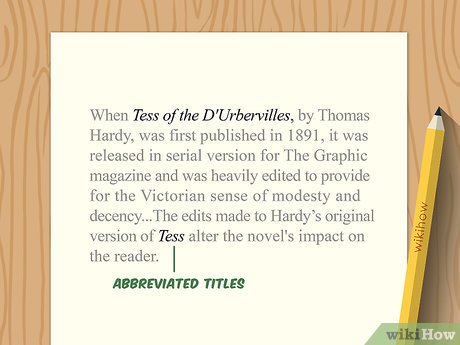
Heading formats will see minor adjustments, particularly regarding the inclusion of section numbers and levels. In-text citation requirements are also evolving, especially when dealing with sources within sources—a common occurrence in synthesis essays. Expect more emphasis on clarity and precision in these cases. The 9th edition of MLA, published in 2021, already hinted at these shifts, and the 2026 standards will likely build upon them.
Digital sources now require Digital Object Identifiers (DOIs) as the primary link. If a source has a DOI, use it instead of a URL. Grading rubrics for 2026 show higher penalties for missing these persistent identifiers.
Specifically, APA 7th edition (current as of late 2023) already requires more specific location information for sources – page ranges, paragraph numbers, or heading structure – when direct quotes aren't available. This trend will likely continue, demanding even greater precision.
- Review the latest MLA Handbook (9th edition and updates)
- Consult the APA Publication Manual (7th edition)
- Check the Purdue OWL website for 2026 style updates.
- Utilize citation management tools (Zotero, Mendeley) to ensure consistency
MLA 9th Edition vs. Projected MLA 2026 Standards: Key Differences
| Feature | MLA 9th Edition | MLA 2026 (Projected) | Notes/Examples |
|---|---|---|---|
| In-text Citation – Single Author | Author’s last name and page number (e.g., (Smith 25)). | Anticipated to remain largely consistent with the 9th edition; focus on clarity and minimal interruption of reading flow. | The core principle of author-page citation is expected to continue. |
| In-text Citation – Multiple Authors | When citing a work with three or more authors, use ‘et al.’ after the first author’s name (e.g., (Smith et al. 25)). | Potential for increased emphasis on including all author names, especially in digital environments where space isn't a constraint. This is currently under discussion. | Changes are projected to address concerns about obscuring contributions of all authors. |
| Works Cited – Online Sources – DOIs | Include the DOI (Digital Object Identifier) when available. If no DOI, include the URL. | Continued emphasis on DOIs as the preferred method for persistent links. Greater guidance expected regarding stable URLs for sources lacking DOIs. | Maintaining access to sources remains a key concern driving these updates. |
| Works Cited – Online Sources – URLs | URLs are generally included without the ‘http://’ or ‘https://’ prefix. | Potential for more specific guidance on formatting URLs, including considerations for URL shorteners and dynamic URLs. | The goal is to provide clear, consistent URL presentation. |
| Works Cited – Online Sources – Access Dates | Access dates are generally *not* required unless the source material is likely to change over time. | Current discussions suggest a potential re-evaluation of access date requirements, particularly for frequently updated online content. No definitive changes have been announced. | The need for access dates is being debated in relation to the stability of online sources. |
| Works Cited – Multiple Editors | List editors with “ed.” or “eds.” before their names. | Projected to maintain the use of “ed.” or “eds.”, but with potential for clarification on handling multiple editors with differing roles. | Consistency in representing editorial contributions is a priority. |
| Works Cited – Container Emphasis | Emphasize the ‘container’ – the larger work holding the source (e.g., journal title, book title). | Expected to continue, with potential refinements to clarify container identification in complex cases, such as databases or collections. | The container concept helps readers locate the source within a broader context. |
Illustrative comparison based on the article research brief. Verify current pricing, limits, and product details in the official docs before relying on it.
Navigating Complex Source Types
Synthesis essays often require integrating diverse source materials beyond traditional academic texts. This might include data sets, interviews, visual media, and even social media posts. Incorporating these non-traditional sources presents unique challenges.
Evaluating the credibility of these sources is crucial. Data sets require careful examination of their methodology and potential biases. Interviews need to be contextualized and assessed for reliability. Visual media should be analyzed for its rhetorical strategies and potential distortions. Social media posts require extreme caution—consider the author's credibility, the platform's context, and the potential for misinformation.
Citing these sources correctly is also essential. Each source type has its own specific citation guidelines. Consult the MLA or APA style guides for detailed instructions. Be particularly mindful of the ethical considerations of using social media as evidence. Always provide context and acknowledge the limitations of these sources.
Using counterarguments to build authority
Acknowledging and responding to counterarguments is crucial for a robust synthesis essay. Ignoring opposing viewpoints weakens your argument and makes you appear biased. A strong synthesis essay anticipates and addresses potential objections to your thesis.
Identify potential counterarguments by considering alternative interpretations of the evidence. What would someone who disagrees with you say? What are the weaknesses in your argument? Don’t shy away from these questions—they’re opportunities to strengthen your position.
Craft effective rebuttals by demonstrating why your synthesis offers a more compelling interpretation. Fairly represent opposing viewpoints before explaining why your argument is more persuasive. It’s not about dismissing counterarguments; it’s about showing you’ve considered them and still arrived at a well-reasoned conclusion.

No comments yet. Be the first to share your thoughts!