
The end of the five-paragraph essay
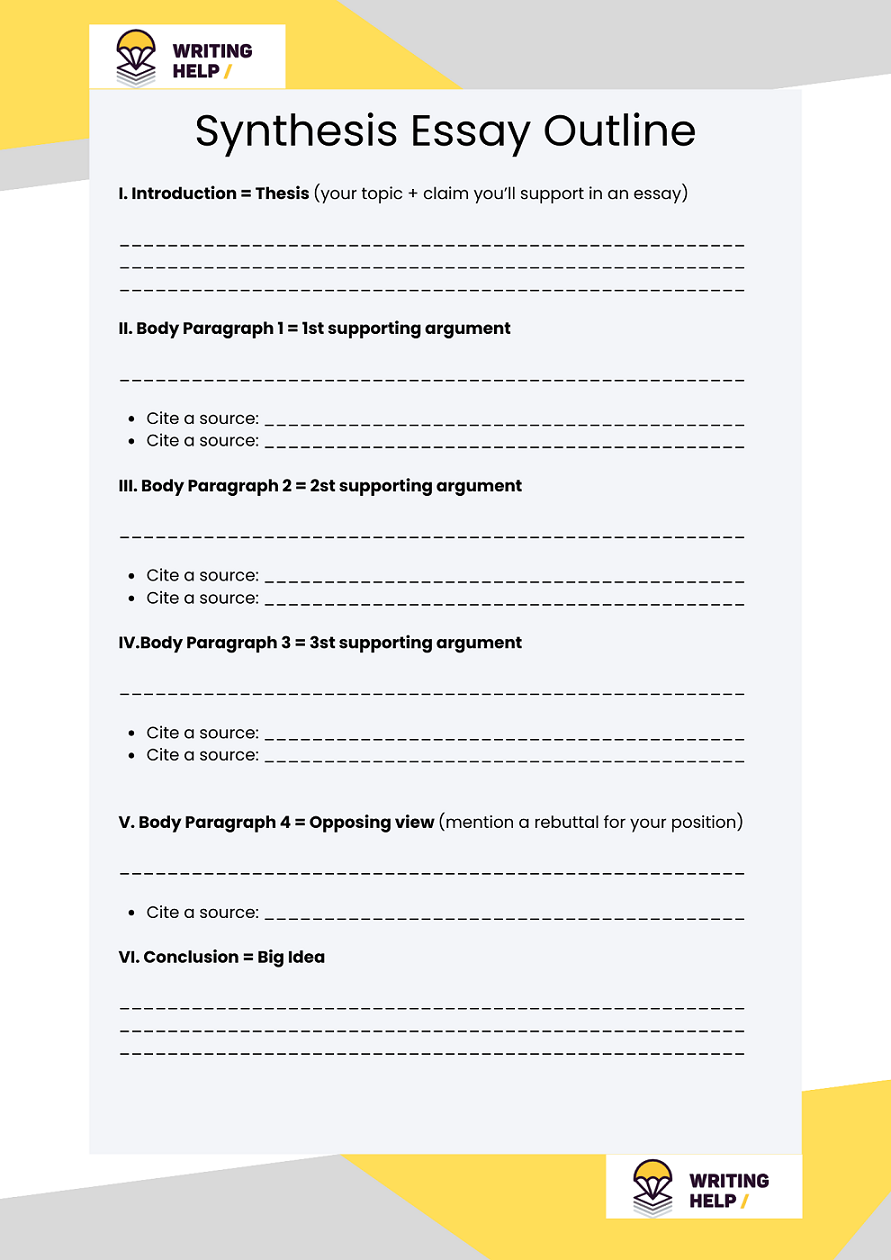
For generations, the five-paragraph essay was the cornerstone of academic writing instruction. But something is changing. Professors are increasingly vocal about their frustration with this formulaic approach, and Gen Z students are pushing back against rigid structures that feel limiting and, frankly, a bit outdated. The expectation is shifting from following a template to demonstrating critical thought.
The problem isn’t just about length; it’s about depth. The five-paragraph structure often encourages superficial analysis, prioritizing hitting a prescribed word count over fully exploring a topic. The Harvard College Writing Center, in their guide Strategies for Essay Writing, emphasizes the importance of asking analytical questions – questions that often can’t be neatly contained within five paragraphs (writingcenter.fas.harvard.edu). They suggest focusing on the argument itself, not just meeting a structural requirement.
Gen Z, having grown up with dynamic digital content, often finds the five-paragraph essay stifling. They’re used to navigating information in non-linear ways, and they want their writing to reflect that. While structure is still important, the emphasis is now on creating a logical flow of ideas that serves the argument, rather than forcing the argument into a pre-defined mold. This isn't to say all professors have abandoned it, but the tolerance for rigid adherence is noticeably declining.
New standards for fonts and spacing
You don't always have to use Times New Roman anymore. Many instructors now accept sans-serif fonts like Arial, Calibri, or Helvetica because they are easier to read on screens. Clarity is more important than following a specific 12pt serif tradition.
Line spacing is also becoming more nuanced. Strict double-spacing is losing ground to 1.15 or 1.5 spacing, which many instructors find more visually appealing and space-efficient. It’s about creating a comfortable reading experience. A tightly packed page can be just as off-putting as one with excessive white space.
Ultimately, professors care more about the content of your essay than the precise font choice. However, demonstrating attention to detail by choosing a professional and readable font shows respect for your audience and your work. If you’re unsure, checking your professor’s syllabus or asking directly is always a good idea.
- Arial, Calibri, Helvetica, and Times New Roman are all standard options.
- Recommended Spacing: 1.15 or 1.5 line spacing
I hate how most writing accounts are robotic these days. It's the same templates, formatting styles, and content structures.
— Vikra Vardhan (@vikravardhan) October 12, 2023
Tbh, if you interchange usernames of two (robotic) profiles, I won't be able to notice. Because these writers never differentiated themselves from the…
Minimalist MLA headings
The MLA heading has undergone a subtle but significant evolution. Gone are the days of elaborate formatting. Today, professors generally prefer a clean, minimalist header containing only essential information: your name, the course name, the professor's name, and the date. No need for extra lines, bolding, or creative flourishes.
The emphasis is shifting away from the presentation of the heading and towards the accuracy of your citations. A perfectly formatted heading won’t save an essay riddled with plagiarism or inaccurate sources. The Purdue OWL remains the gold standard for MLA guidelines, offering up-to-date information on all aspects of MLA formatting (owl.purdue.edu).
Consistency is key. Whatever format you choose, apply it consistently throughout your essay. A simple, accurate, and consistent heading demonstrates professionalism and attention to detail – qualities that professors value.
APA title page updates
The APA title page, while still required for many assignments, has seen some subtle changes. The running head, once a lengthy repetition of the essay title, is now a shortened version (50 characters or less) in all capital letters. Page numbers are right-aligned in the header, alongside the running head.
For student papers, including your student ID number may be required by your professor. Always check the assignment guidelines for specific instructions. The title should be concise and accurately reflect the essay’s content. Avoid unnecessary jargon or overly creative phrasing.
Interestingly, some professors are beginning to move away from requiring a separate title page for shorter assignments. In these cases, a header with your name, course information, and date may suffice. Always clarify expectations with your instructor to avoid losing points over formatting.
- The running head is a shortened title in all caps.
- Page Number: Right-aligned in header
- Student ID: Include if required by professor
Does My Assignment Need a Title Page?
| Assignment Length | Professor Preference | School Guidelines | Title Page Recommended? |
|---|---|---|---|
| Short (1-3 pages) | Known (Professor prefers simplicity) | Flexible | No |
| Short (1-3 pages) | Unknown | Strict | Yes |
| Medium (4-7 pages) | Known (Professor doesn't specify) | Flexible | Potentially - check syllabus |
| Medium (4-7 pages) | Unknown | Strict | Yes |
| Long (8+ pages) | Known (Professor requires formal formatting) | Strict | Yes |
| Long (8+ pages) | Unknown | Flexible | Potentially - err on the side of caution |
| Medium (4-7 pages) | Known (Professor prefers a running head instead) | Flexible | No |
| Short (1-3 pages) | Unknown | Flexible | No |
Illustrative comparison based on the article research brief. Verify current pricing, limits, and product details in the official docs before relying on it.
Integrating citations and links
Citations are no longer simply about listing sources at the end of your essay. Professors are increasingly interested in how you integrate those sources into your argument. Strong signal phrases – phrases that introduce and contextualize your evidence – are essential. Avoid "dropping" quotes without explanation.
The growing accessibility of online sources is also influencing citation practices. While traditional citation styles still apply, some professors are now accepting (and even encouraging) hyperlinks to online sources, where appropriate and permitted. This allows readers to easily access the evidence you’re discussing.
Citation management tools like Zotero and Mendeley can be incredibly helpful for streamlining the citation process and ensuring accuracy. These tools automatically generate citations in various styles and help you organize your research. Mastering these tools can save you a significant amount of time and effort.
Using images as evidence
In certain disciplines – art history, media studies, communication – visual arguments are becoming increasingly common. This means incorporating images into your essay and analyzing their rhetorical effect. However, doing so requires careful attention to detail.
Properly citing images is crucial. You need to provide information about the source of the image, the artist (if applicable), and the date of creation. You also need to analyze the image itself, explaining how it contributes to your overall argument. Don't simply include an image; interpret it.
Ethical considerations are paramount. Be mindful of copyright and fair use when using images found online. Always obtain permission to use copyrighted images or use images that are licensed for educational purposes. Failing to do so can result in serious academic consequences.
The shift toward personal voice
There’s a growing trend towards valuing a student’s unique voice and perspective in academic writing. While maintaining academic rigor is still paramount, professors are becoming less tolerant of overly formal or detached prose. They want to see you in your writing, not just a regurgitation of facts.
This doesn’t mean abandoning grammar or clarity. It means writing in a clear, concise, and engaging style that reflects your individual thinking. It’s about finding a balance between academic formality and personal expression. This can be a tricky balance to strike, requiring careful consideration of your audience and purpose.
I've found that writing naturally works better than trying to sound like a textbook. You can use your own perspective as long as you back it up with evidence. A clear argument is more memorable when it sounds like it came from a person.
Content is being updated. Check back soon.

No comments yet. Be the first to share your thoughts!