


Welcome to the World of Informative Essays: What's the Big Deal? 🌍
Well, hello there, future essay maestro! Welcome to the grand symphony of informative essays. You may ask, "What's the big deal about informative essays?" Let's put it this way: they are the academic equivalent of a Swiss Army knife - versatile, practical, and oh-so-essential. They help you flex your research muscles, boost your critical thinking, and let's not forget, they can make or break your grades!
Now, before you start sweating bullets, let's demystify this beast together. We'll guide you from choosing a ripper of a topic, to crafting an argument that would make a lawyer jealous, all the way to mastering the art of how to write a book title in an essay. So, buckle up, and let's dive headfirst into the world of informative essays!

Picking Your Essay's Brain: How to Choose a Topic that Rocks 🧠🎸
Staring at a blank page, wondering how to choose a topic for your informative essay that's as engaging as the latest Netflix series? Been there, done that! The trick is to find a topic that tickles your fancy and has enough substance for you to sink your teeth into. Remember, your interest in a topic is as contagious as a yawn, so pick something that gets your neurons firing!
Consider questions that keep you up at night or topics that make you want to dive deeper. Maybe you're curious about the science behind laughter or the history of emojis? Or perhaps you're wondering how to write a book title in an essay? Whatever it is, make sure it's something you're excited to explore and share with your readers.
And hey, if you're still stuck, here's a pro tip: look at the world around you. There's a treasure trove of potential topics just waiting to be discovered. So, go on, unleash your inner Sherlock Holmes and start your topic hunting adventure!
The Essay Topic Detective
Test your skills in identifying potential essay topics. Are you ready to unleash your inner Sherlock Holmes?
Learn more about 🔍 The Essay Topic Detective Quiz or discover other Superior Formatting quizzes.
Building Your Essay's Backbone: The Art of Crafting a Solid Thesis 🏗️
Alright, folks! Time to get down to the nitty-gritty of crafting a killer thesis statement for your informative essay. Remember, this is your essay's backbone - it's gotta be strong and straight! But how do you make it so? Well, it's simple. Your thesis statement needs to be clear, concise, and, most importantly, arguable. Think of it as a mini-outline for your essay. It should give your reader a sneak peek into your argument, and make them curious to read more.
Now, you might be wondering, "How do I write a book title in an essay?" or "What's an expository essay outline template?" Don't sweat it! We've got you covered with our detailed guides on structuring a 500-word essay, and diving into the depth of expository essays.
So, ready to transform your essay from a caterpillar into a butterfly? Let's do this!
Components of a Good Thesis Statement
The Blueprint of Brilliance: Structuring Your Informative Essay Like a Pro 👷♀️📐
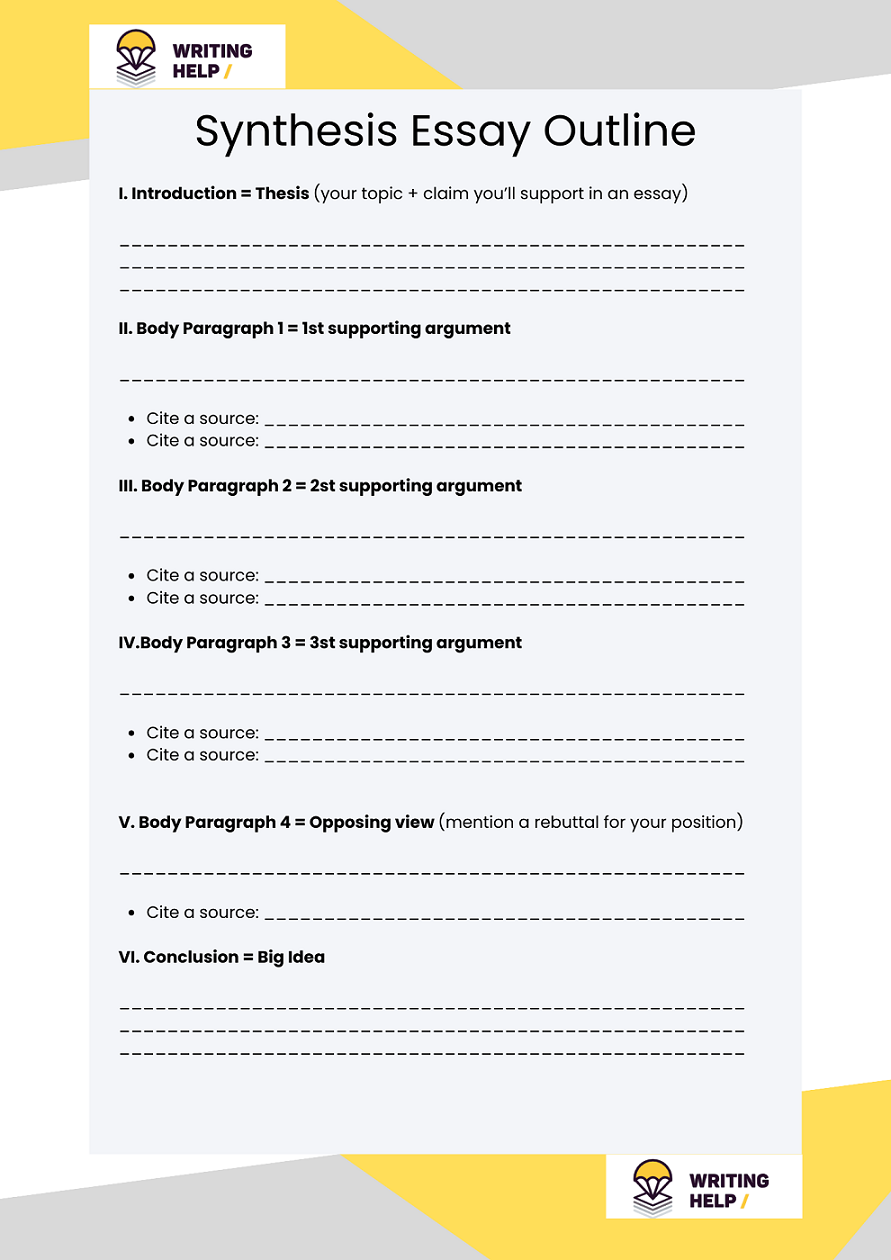
Alright, folks, it's time to put on your hard hats and roll up those sleeves! Welcome to the construction site of your informative essay. Remember, a well-structured essay is like a well-built house; it won't collapse under the weight of your professor's scrutiny. So, how do we lay the foundation? Let's start with an effective essay outline. This is your blueprint, your roadmap, your secret weapon against the chaos of random thoughts.
Now, here's where it gets fun. You've got your main points, but how do you make them stick? Imagine each point is a room in your house. You wouldn't want your guests (read: readers) stumbling around in the dark, would you? So, illuminate each point with solid evidence and clear explanations. And remember, variety is the spice of life; mix it up with facts, anecdotes, and even a dash of humor.
Finally, don't forget the cherry on top: how to write a book title in an essay. It's like the house number; it tells your reader exactly where they are. And there you have it, folks! Your essay, built to perfection, ready to withstand any academic storm. Now, who's up for a cup of builder's tea?
Alright, folks! It's time to put on your builder's hat. We're about to construct the most robust and impressive informative essay you've ever seen. Let's dive in!
The Blueprint of an Informative Essay




Learn more about The Blueprint of an Informative Essay 📝 or discover other Superior Formatting guides.
And there you have it! Your essay is now built to perfection, ready to withstand any academic storm. Now, let's move on to crafting those arguments. They're the interior decoration of your essay house, after all.
Becoming a Word Warrior: How to Write Arguments that Pack a Punch 🥊
Alright, now that you've got your thesis statement down, it's time for the fun part - crafting your arguments. Think of your arguments as the meat and potatoes of your essay. They're where you get to flex your intellectual muscles and show off your knowledge. But how do you ensure your arguments are as strong as Hercules and as clear as a summer's day?
First, remember that an argument is more than just stating your opinion. It's about presenting evidence in a logical and convincing way. So, make sure each argument is backed up by solid evidence. This could be a quote from a book (don't forget to check out our guide on how to write a book title in an essay), data from a study, or even an anecdote.
Next, ensure your arguments are structured properly. We recommend using an expository essay outline template to help you organize your thoughts. And finally, don't be afraid to get creative! The most memorable arguments are the ones that are original and unexpected. So go forth, dear reader, and craft arguments that will leave your readers in awe!
Crafting Effective Arguments Quiz
Test your understanding of crafting effective arguments for an informative essay. Choose the best answer for each question.
Learn more about 📝 Crafting Effective Arguments Quiz or discover other Superior Formatting quizzes.
The Last Laugh: Wrapping Up Your Essay with a Bang 💥
And there you have it, folks! You're all set to craft an informative essay that would make Shakespeare do a double-take. Remember, first impressions count even with essays, so make your introduction pop. And the secret sauce? Your topic choice. Yes, choosing the right essay topic is half the battle won. But remember, it's not just about the topic, it's about how you argue your point. So, when crafting your essay argument, think of yourself as a lawyer in a courtroom drama, making an unshakeable case!
Still wondering where to practice writing essays? Don't fret! Remember the expository essay outline template from this guide?
Now, take a deep breath, flex those fingers and let the words flow! And remember, when it comes to how to write a book title in an essay, our FAQ section has got you covered. Happy writing!
Now that we've wrapped up the topic, let's dive into some frequently asked questions. And remember, we're keeping the humor alive, even in the FAQs!
And there you have it! We hope these FAQs have cleared up any lingering questions. Remember, writing is a journey, not a destination. Keep practicing, keep learning, and most importantly, keep laughing!

No comments yet. Be the first to share your thoughts!